Milling Machine
Precision milling produces flat faces, slots, pockets, and custom profiles that sheet metal forming alone can't achieve. CNC and manual setups cover both high-volume production runs and one-off precision parts.
What's Included
Milling covers the controlled removal of material from a solid workpiece to produce flat faces, slots, pockets, and custom profiles — geometry that sheet metal forming and cutting processes simply can't achieve on their own. Where laser cutting and forming work with flat stock, milling works into solid bar, plate, or pre-formed material to create features that require actual material removal rather than shaping.
This makes milling essential for parts that need precise flat mounting surfaces, internal pockets for component clearance, keyways, or custom profile edges that don't follow a straight or simple curved line. It's also frequently used as a secondary operation on parts that have already been formed or welded, where a final machined surface is needed for assembly or mating with another component.
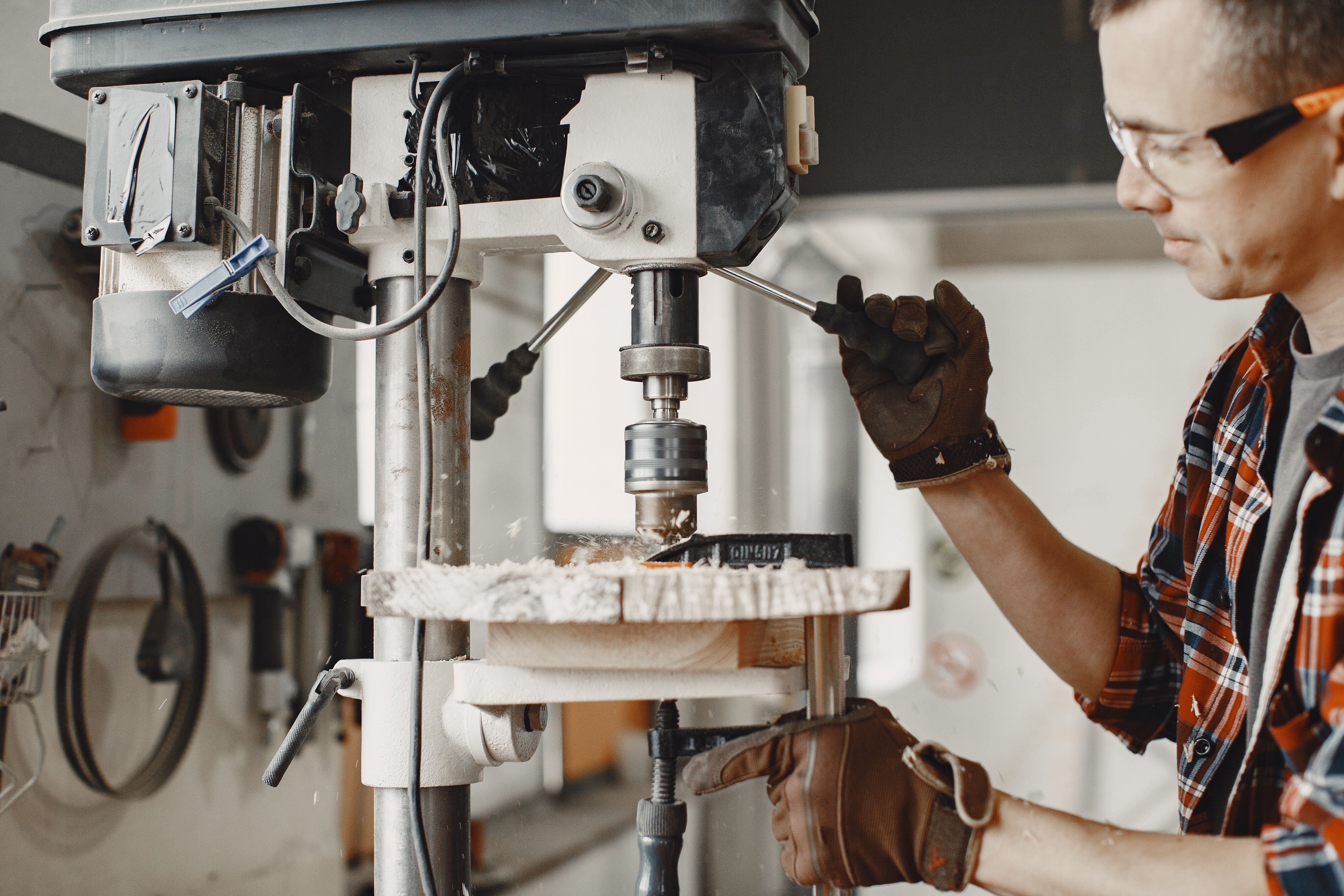
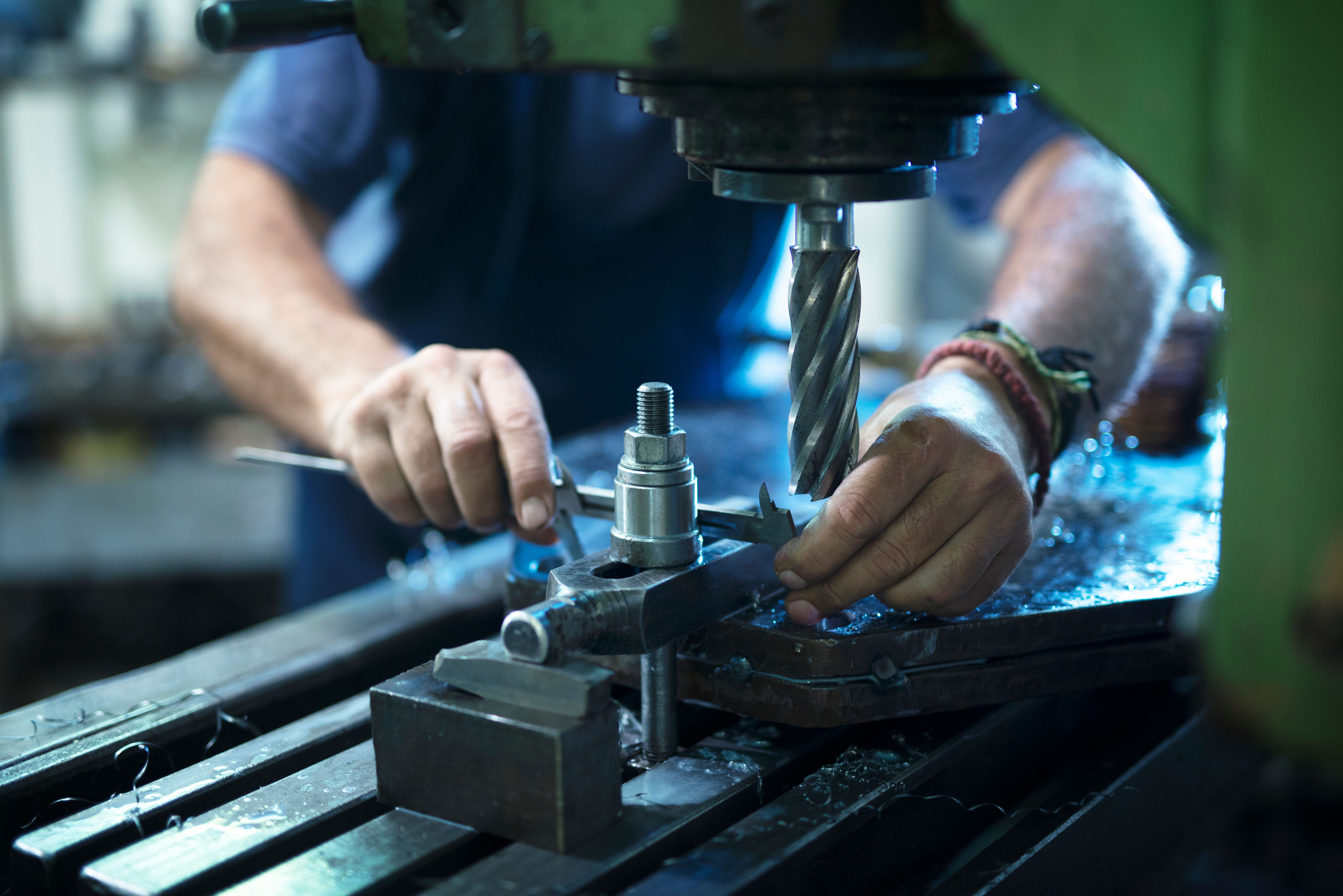
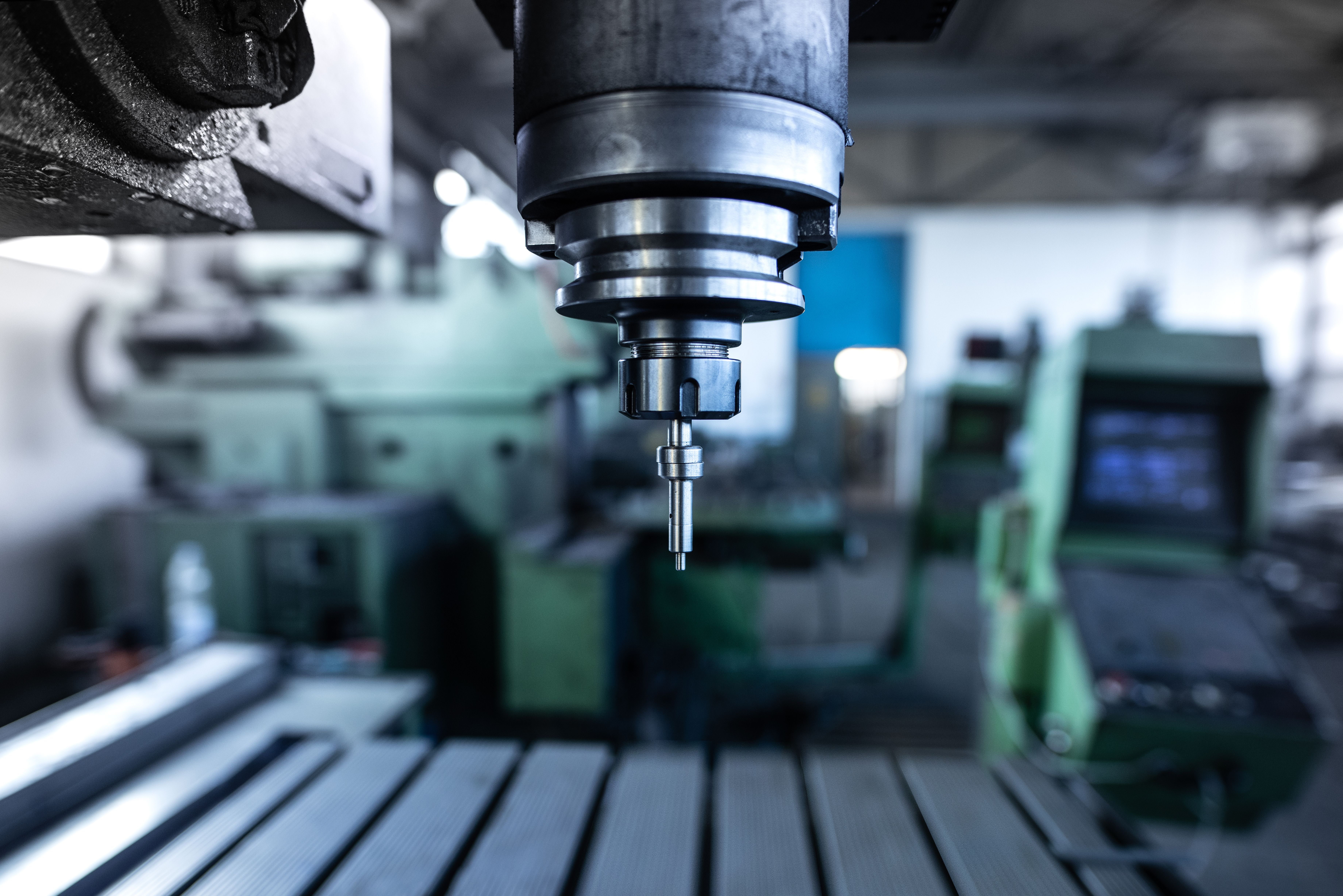
Our milling capability supports both CNC-controlled and manually set up operations. CNC programming ensures repeatable tolerances across a full production run — critical when dozens or hundreds of identical parts need to match within tight dimensional limits. For one-off or low-volume jobs where full CNC programming wouldn't be cost-effective, manual setup provides the flexibility to produce a single precision part without the overhead of programming a run that will only execute once.
Because milled features are often the final step before a part moves into welding or assembly, dimensional accuracy at this stage carries forward into everything downstream — a poorly milled mounting face or misaligned pocket can compromise fit throughout the rest of the build. Our process treats milling as a precision operation regardless of run size, whether that's a single prototype or a production batch.