Welding Services
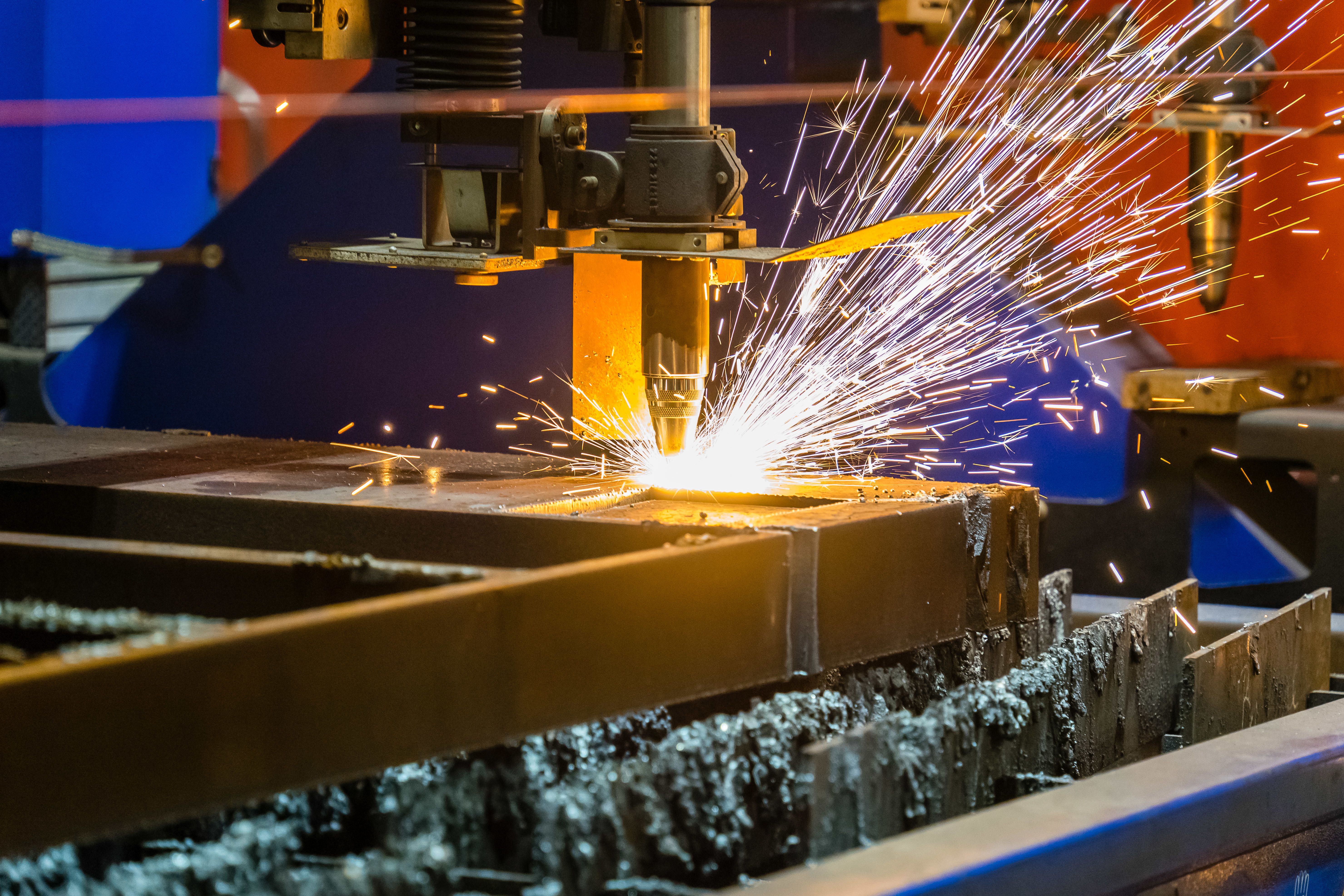
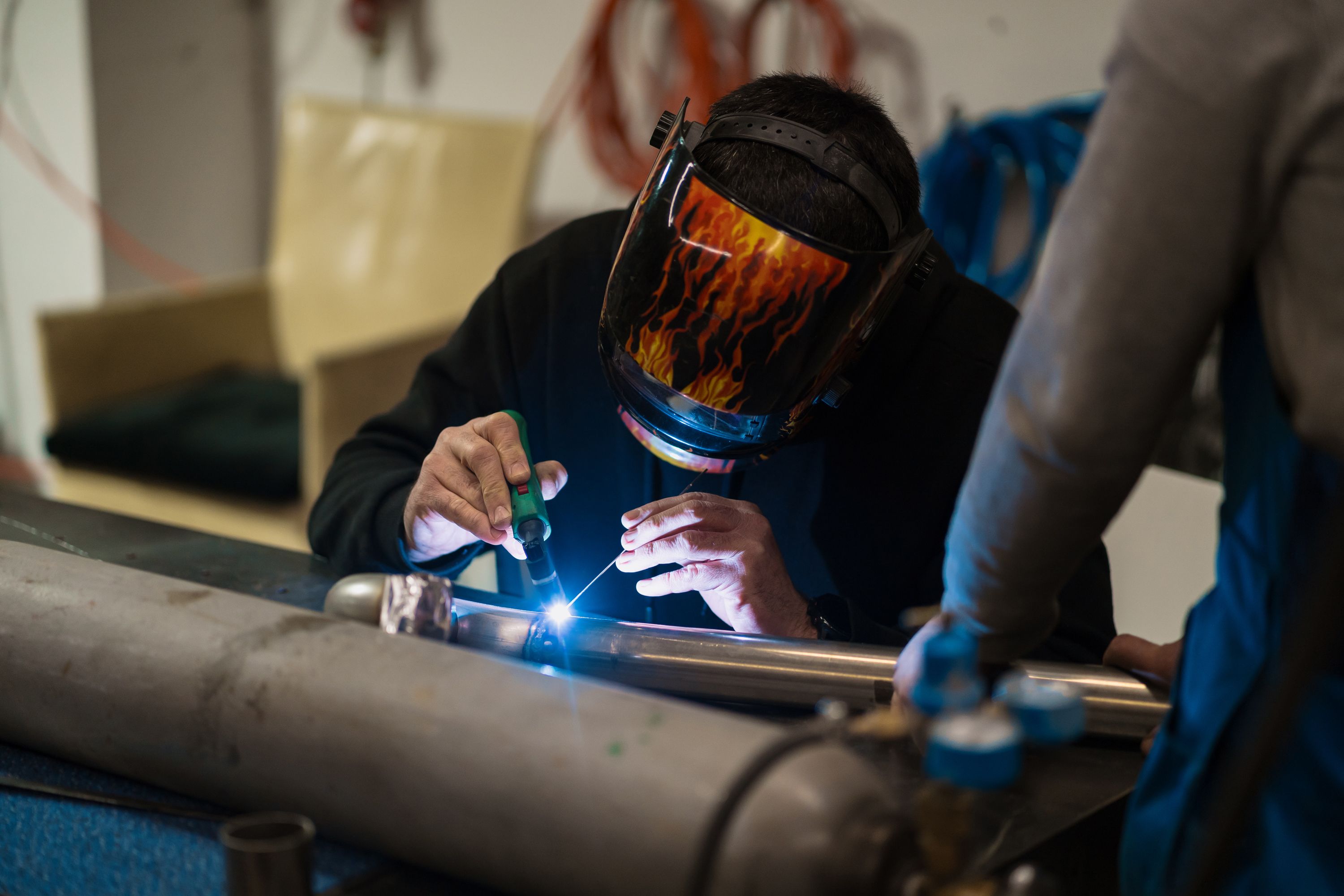
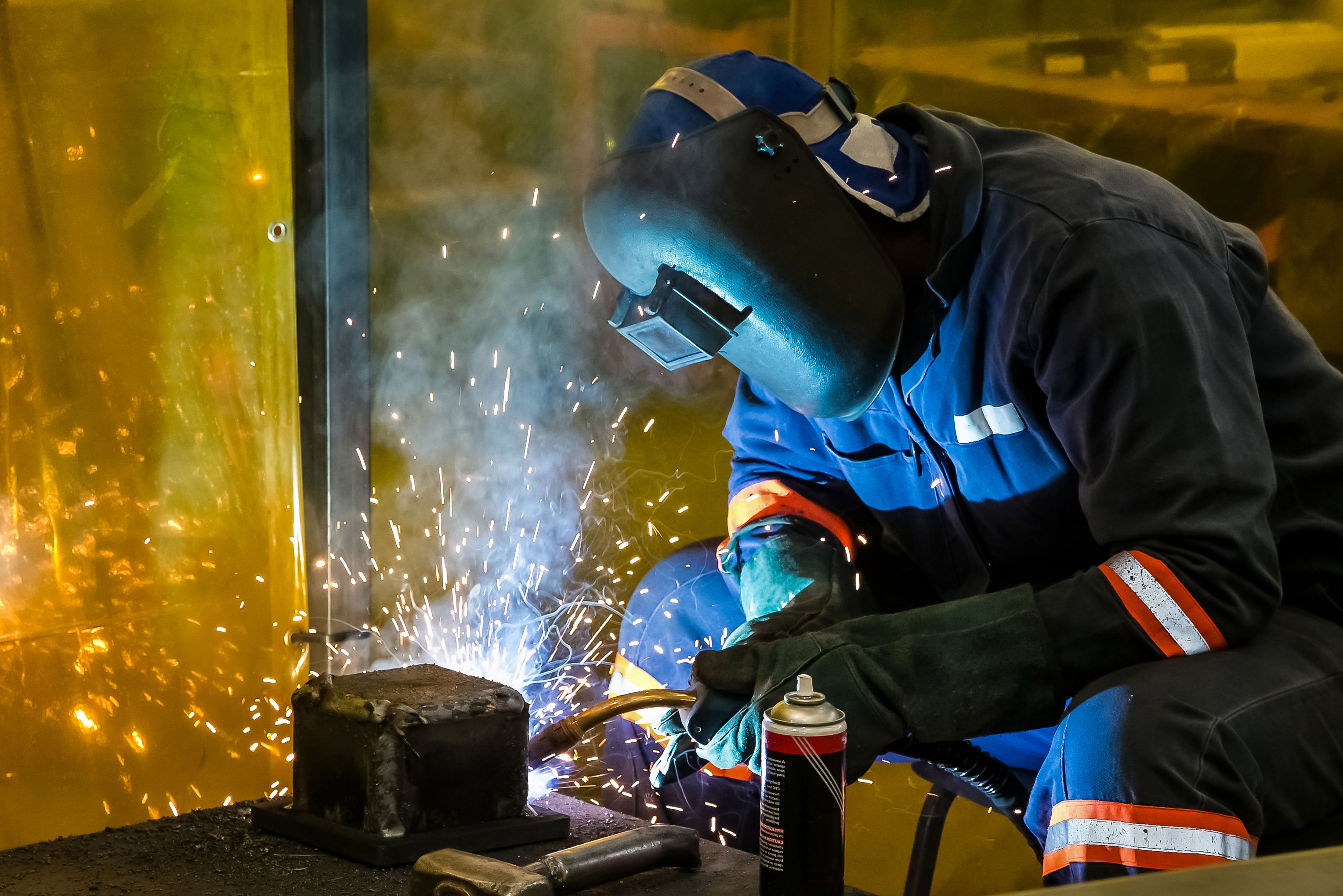
Spot, robotic, and laser welding cover every joint type and volume, from single prototypes to full production runs. Each process is matched to the part to minimize heat distortion and ensure consistent weld quality.
What's Included
Welding capability spans a wide range of joining methods, and matching the right process to the part is often what separates a clean, structurally sound assembly from one that requires rework. Our welding operation covers manual spot welding through to programmable robotic and laser welding, giving us the flexibility to handle everything from a single prototype to a full production run without changing vendors mid-project.
Spot welding remains the fastest and most economical option for joining sheet metal components across a wide range of applications, and our spot welding equipment is sized to handle both light-gauge and heavier material with minimal distortion. For jobs requiring higher throughput or repeatable precision across identical parts, robotic welding cells take over — programmable systems that maintain consistent weld penetration and quality across every part in a run, which is difficult to guarantee with manual welding alone at volume.
Laser welding fills a different need entirely. Its highly concentrated energy input produces clean, low-distortion welds that are particularly well suited to intricate parts and thinner-gauge metals, where the heat input from conventional welding methods would warp the material or blow through the joint. This makes it the preferred method for precision components where dimensional accuracy after welding matters as much as the strength of the joint itself.
Across all three processes, the underlying goal is the same: reduce heat input where possible, minimize distortion, and avoid the post-weld correction work that comes from an improperly matched welding method. Choosing spot, robotic, or laser welding isn't just a matter of equipment availability — it's a decision made per part, based on material thickness, joint configuration, and the tolerance requirements of the finished assembly.